
Electrical Inspections in the USA
Our technicians begin an Electrical Inspections visit by reviewing the service entrance rating and verifying that the main breaker or fuse matches the ampacity of the service conductors. They measure voltage at the line side and load side under varying loads to detect excessive drop that indicates loose lugs or undersized wire. Grounding electrode connections receive a resistance check to confirm the path to earth remains below acceptable limits.
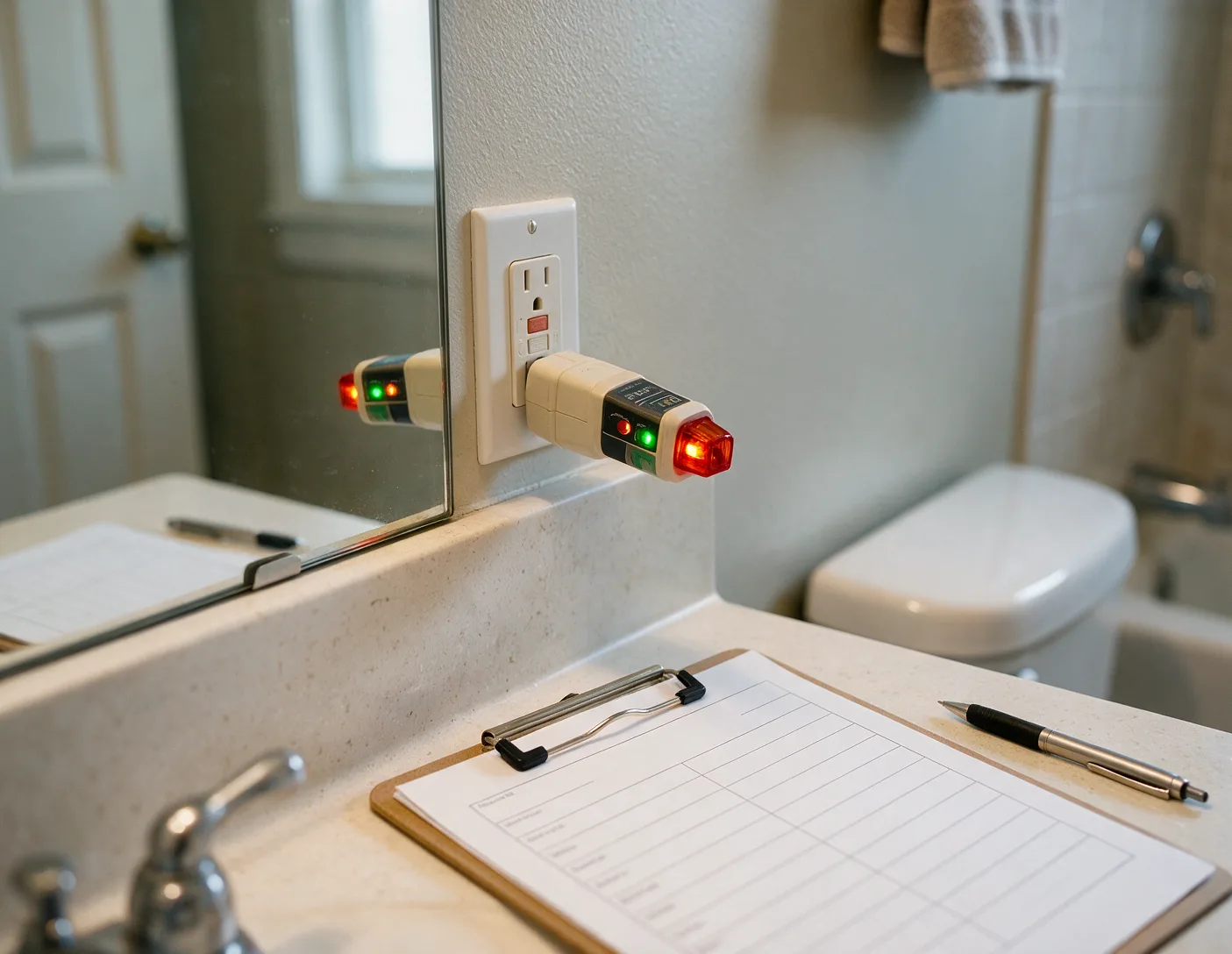
Next they open each branch-circuit panel and examine bus bar condition for discoloration or pitting that signals overheating. Every breaker is exercised and tested for proper trip response at rated current. Receptacle polarity and grounding are verified with a plug-in tester, while AFCI and GFCI devices undergo manual test button operation followed by a calibrated fault-current simulation to confirm they clear within the required time. Ikon Electrical Services schedules electrical inspections visits throughout the USA.
Warning signs that prompt an inspection
- Frequent breaker trips on the same circuit without added load
- Warm or discolored wall plates around outlets and switches
- Flickering lights when large appliances start
- Burning plastic odor near the service panel
- Two-prong outlets in rooms built after 1960
What technicians measure and record
Technicians use a true-RMS multimeter to record line-to-neutral and line-to-ground voltages at multiple points while the system runs at normal load. They document each value and compare against nominal 120 and 240 volt tolerances. Insulation resistance testers apply 500 volts DC to de-energized circuits and note readings below one megohm per kilovolt of conductor rating.
Thermal imaging cameras scan lugs, breakers, and splices for temperature differentials greater than 10 degrees Celsius under load. Any hot spot is marked and measured again after the load is removed to distinguish connection resistance from ambient heat. All findings are logged with circuit numbers and locations inside the panel.
Ground-fault loop impedance is measured at the furthest outlet on each branch to confirm the overcurrent device will clear a fault before hazardous touch voltage appears. Results are compared to maximum values listed in the applicable edition of the National Electrical Code.
Common causes that lead to inspection requests
Aluminum branch-circuit wiring installed before 1972 develops oxidation at terminations that raises resistance and heat. Technicians identify these circuits by the word ALUMINUM stamped on the cable jacket and recommend pigtailing with copper wire and antioxidant compound.
Panelboards from the 1970s and 1980s often contain Federal Pacific or Zinsco breakers that fail to trip at overload. During inspection these devices are counted and photographed so the homeowner can plan replacement with modern breakers listed for the existing panel type.
Additions or remodels that increased square footage without a corresponding service upgrade create sustained loads above 80 percent of the main breaker rating. Load calculations performed on site show whether a larger service or subpanel is required before new circuits are added.
Repair and upgrade options after inspection
When torque tests reveal loose lugs, technicians remove the load, clean contact surfaces, apply the manufacturer-specified torque, and retest under load. If the lug shows visible pitting it is replaced with an identical part before re-energizing.
Outdated fuse panels are converted to breaker panels by installing a new main breaker enclosure and splicing existing circuits with listed connectors rated for the conductor size. Each new breaker is matched to the wire gauge to maintain proper overcurrent protection.
Whole-house surge protective devices are installed at the service entrance when inspection shows sensitive electronics on multiple circuits. The device mounts in a spare two-pole breaker space or externally on the panel and connects to the existing ground bus.
Materials used and steps before arrival
Technicians carry torque screwdrivers calibrated in inch-pounds, insulated hand tools rated for 1000 volts, and replacement breakers from the same manufacturer as the existing panel to ensure listing compatibility. Copper pigtail wire is 12 AWG solid with green grounding conductors when aluminum circuits are addressed.
Homeowners should locate the main panel and note any recent changes such as new appliances or room additions. They can safely reset a tripped breaker once after unplugging the last device added, but must leave the panel cover closed and call for service if the breaker trips again immediately.
All pets should be secured and vehicles moved away from the service entrance so the work truck can park close. Interior access to every room with electrical devices allows full testing of receptacles and switches without delay.
Electrical Inspections questions
How long does an Electrical Inspections visit take?
Duration depends on the number of circuits and panel accessibility. A typical single-family dwelling with one main panel and twenty circuits requires two to three hours. Larger properties or those with subpanels and detached structures extend the time accordingly.
Can I stay in the home during the inspection?
Yes. Technicians work in the panel area and move through rooms only to test outlets and switches. Power is turned off only for the circuit under test, so most lights and appliances remain available throughout the visit.
Will the inspection find every possible future failure?
No inspection can predict every component failure. It identifies current conditions such as loose connections, overloaded circuits, and grounding deficiencies that are known precursors to outages or safety issues. Regular follow-up inspections catch new problems as the system ages.
What happens if the inspection reveals aluminum wiring?
Technicians document every aluminum circuit and explain the options of complete rewiring or COPALUM-style pigtailing at each termination. Either approach restores safe connection resistance without requiring the homeowner to handle any wiring themselves.
Request Electrical Inspections
Contact Ikon Electrical Services to schedule Electrical Inspections across the USA.