
Electrical Installation in the USA
Electrical Installation covers adding new circuits, outlets, switches, or full wiring runs when existing capacity cannot support added appliances or renovations. Our technicians first verify the service entrance rating and calculate demand using the standard load formula before selecting conductor sizes and breaker ratings.
Homeowners should shut off power at the main breaker and avoid opening any junction boxes or panels. Note which rooms lose power and whether the issue follows a specific appliance or occurs after recent construction work. For electrical installation, Ikon Electrical Services works across the USA.
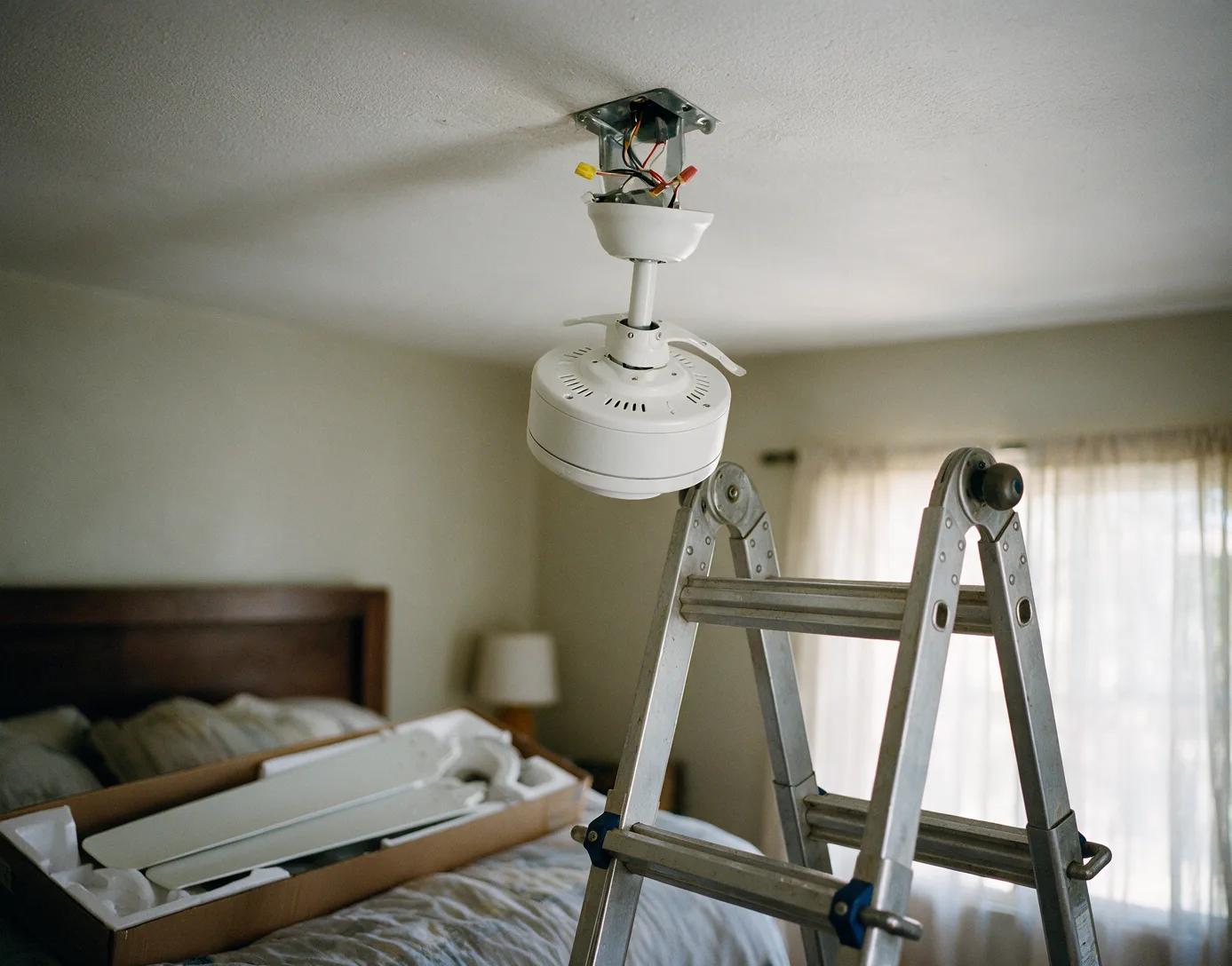
Warning Signs That Indicate Electrical Installation Is Needed
- Lights dim when large appliances start.
- Extension cords used for permanent equipment.
- Fewer than two outlets per wall in rooms.
- Aluminum wiring present without proper terminations.
- No GFCI protection near sinks or outdoors.
Load Calculation and Circuit Planning
Technicians measure existing amperage draw on each leg with a clamp meter and compare it against the panel rating. They add continuous loads at 125 percent and noncontinuous loads at 100 percent to determine whether a new feeder or subpanel is required.
Placement decisions account for conductor length, voltage drop under 3 percent, and required receptacle spacing of 6 feet along walls. Dedicated circuits are assigned to motors and high-draw equipment to prevent shared neutral issues.
Materials and Installation Methods
Copper THHN conductors in EMT or PVC conduit are standard for new runs. Receptacles rated 15 or 20 amperes receive tamper-resistant versions. AFCI breakers protect bedroom and living area circuits while GFCI devices guard wet locations.
Our technicians secure cables with staples at 4.5 feet intervals, maintain 1.25 inch clearance from framing edges, and label every circuit at the panel. Junction boxes remain accessible and sized per fill calculations in NEC Table 314.16.
Inspection Points During Work
Before energizing, voltage is checked at the source and at the farthest outlet. Polarity and ground continuity are verified with a plug-in tester. Torque values on breakers and lugs follow manufacturer specifications to avoid overheating from loose connections.
Thermal imaging identifies hot spots on new terminations. Any shared neutral that creates current imbalance is separated onto its own breaker pole.
Post-Installation Verification
After completion the panel schedule is updated and every new circuit is loaded to 80 percent of rating while monitoring voltage stability. Homeowners receive a list of which breakers control which outlets.
Only the main breaker should ever be operated by the homeowner. Any further modifications require a return visit to maintain correct grounding and bonding paths.
Electrical Installation questions
What does an Electrical Installation visit include?
Technicians calculate loads, select conductors and protection, run new wiring in approved methods, install devices, and test voltage drop plus grounding before restoring power.
Can I add outlets without new circuits?
Existing circuits must first be checked for available amperage. Adding outlets on an already loaded circuit requires either a new homerun or a dedicated line from the panel.
How do you choose between conduit and cable?
Conduit protects conductors in exposed or damp areas and allows future pulls. Cable assemblies suit finished walls where fishing is possible and code permits.
What should I prepare before the crew arrives?
Clear access to the panel and work areas. Identify which rooms need service and note any recent additions that increased electrical demand.
Schedule Electrical Installation
Contact Ikon Electrical Services to assess your property and complete needed Electrical Installation work across the USA.