Skip to content
Emergency Electrician · the USA(855) 762-2348
Call (855) 762-2348

Our electrical services

Our technicians begin every visit by confirming power at the main panel and verifying which circuits remain energized. They trace voltage drop with a multimeter at the device terminals before opening any junction box. Homeowners may switch off breakers only when the panel label matches the affected area and the handle moves freely without resistance.

We separate tasks that require de-energizing the entire service from those that need only a single branch isolated. Proper torque on lugs and terminals is checked with a calibrated driver to prevent overheating at connections. Any exposed conductor or damaged insulation is noted and isolated before further testing proceeds. Every service below is available from Ikon Electrical Services across the USA.

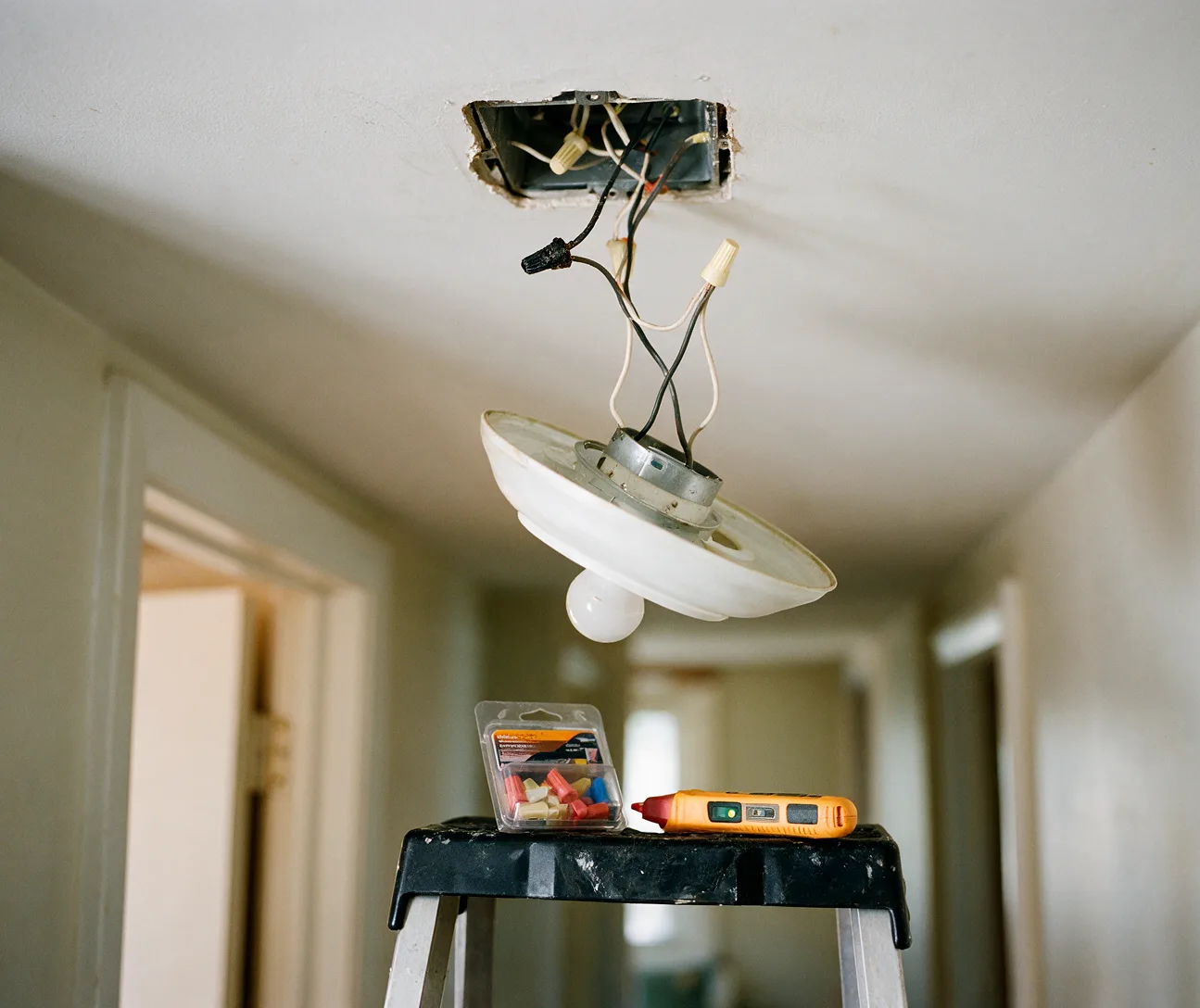
A ceiling light fixture hanging from an open junction box during a repair

Electrical Repair

Our technicians test continuity through switches and receptacles with a meter after isolating the circuit at the panel. They inspect for charred insulation or loose neutral connections that cause intermittent loss of power. Homeowners should avoid removing devices from boxes until voltage is confirmed absent at each terminal screw.
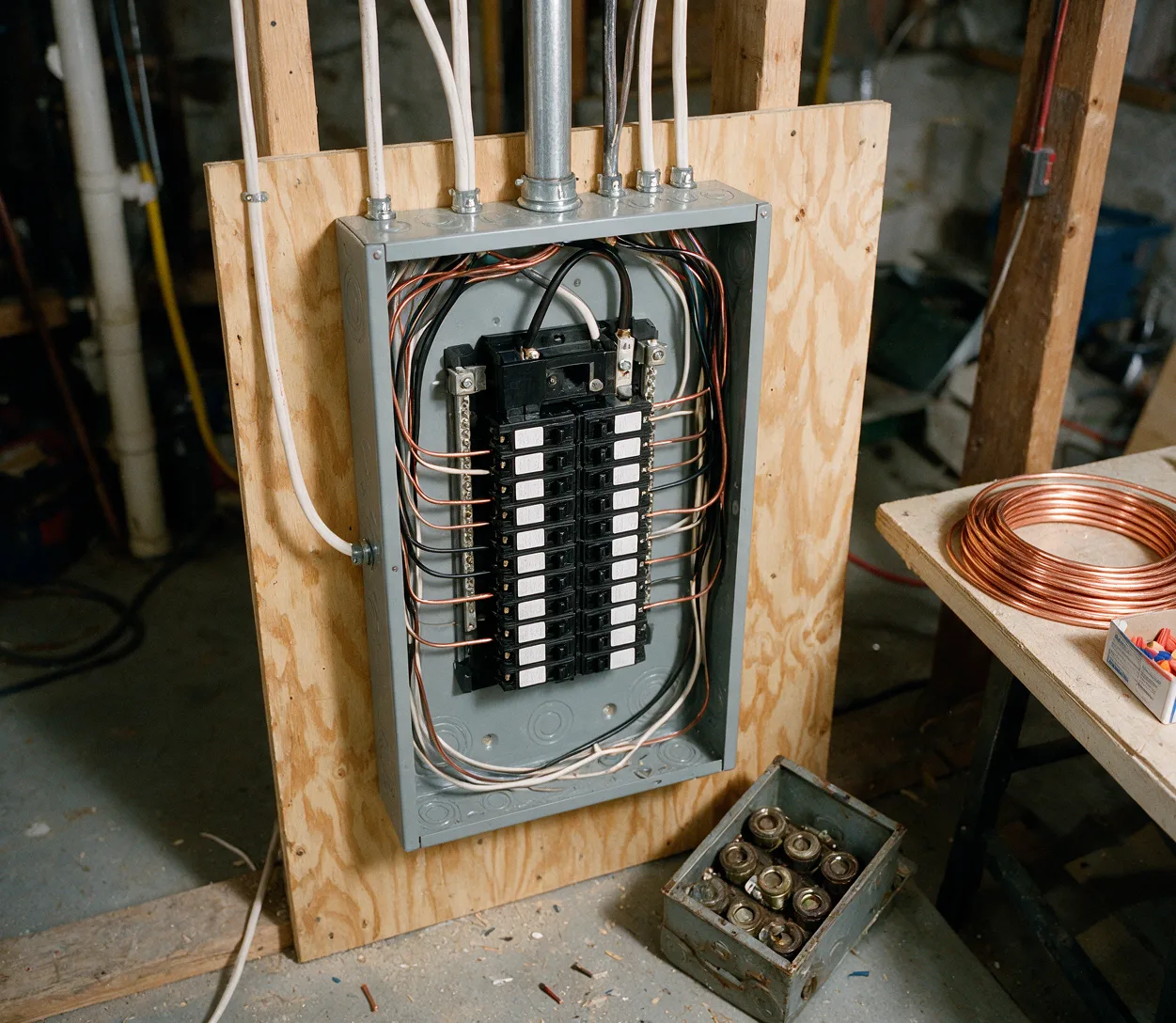
A newly installed load center beside the old fuse box it replaced

Electrical Panel Upgrades

Technicians measure available bus amperage and count tandem slots before recommending any change to the service equipment. They verify grounding electrode conductor size against the service entrance cable and torque all new breakers to manufacturer specifications. Only the main breaker is operated when the utility seal remains intact.

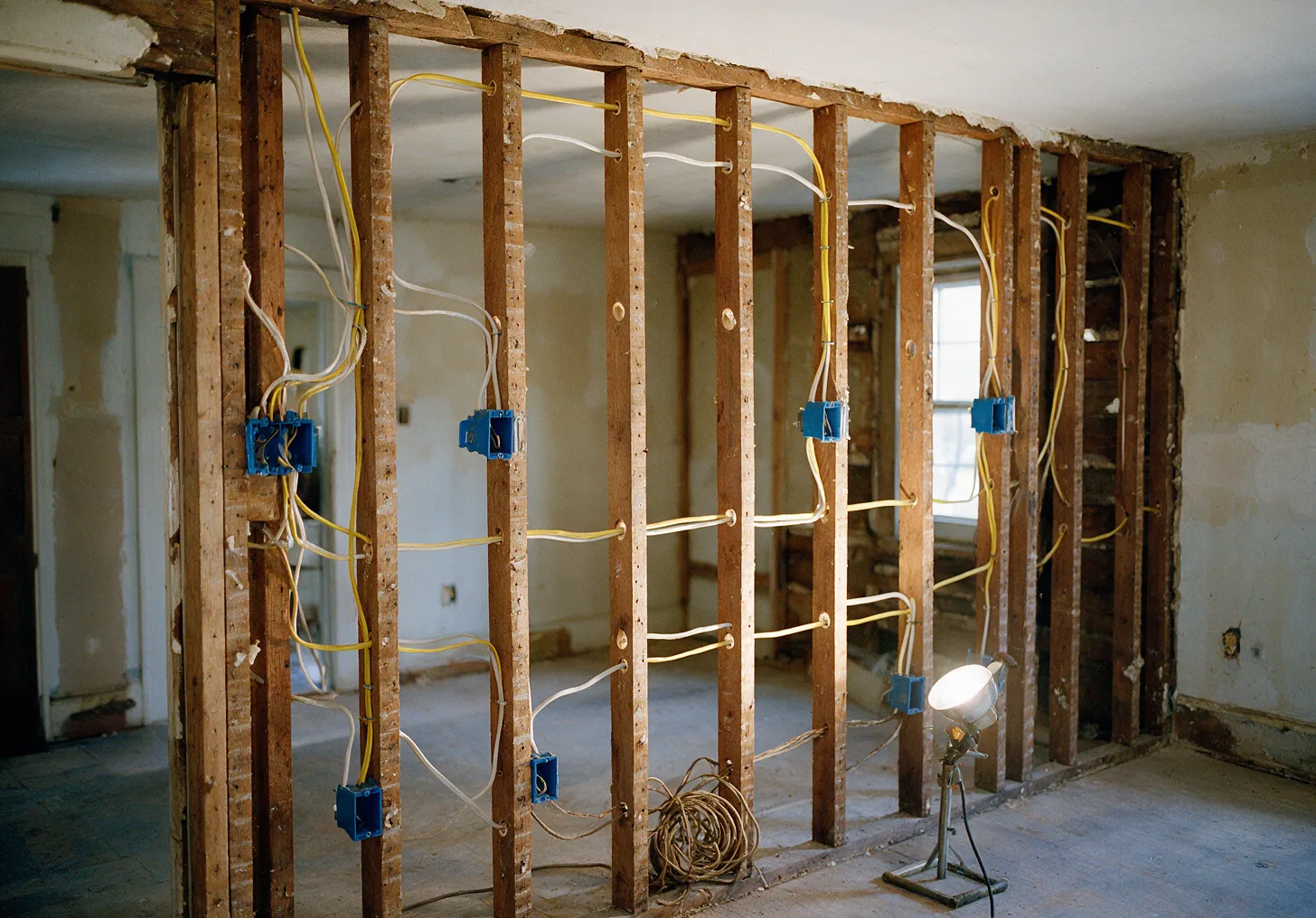
Open stud walls with new electrical cable runs and outlet boxes

Wiring and Rewiring

We pull new conductors through existing raceways after confirming conduit fill limits and pulling tension. Each run is megger-tested for insulation resistance before devices are connected. Homeowners must not attempt to fish wire through walls without first mapping all junction points with a circuit tracer.

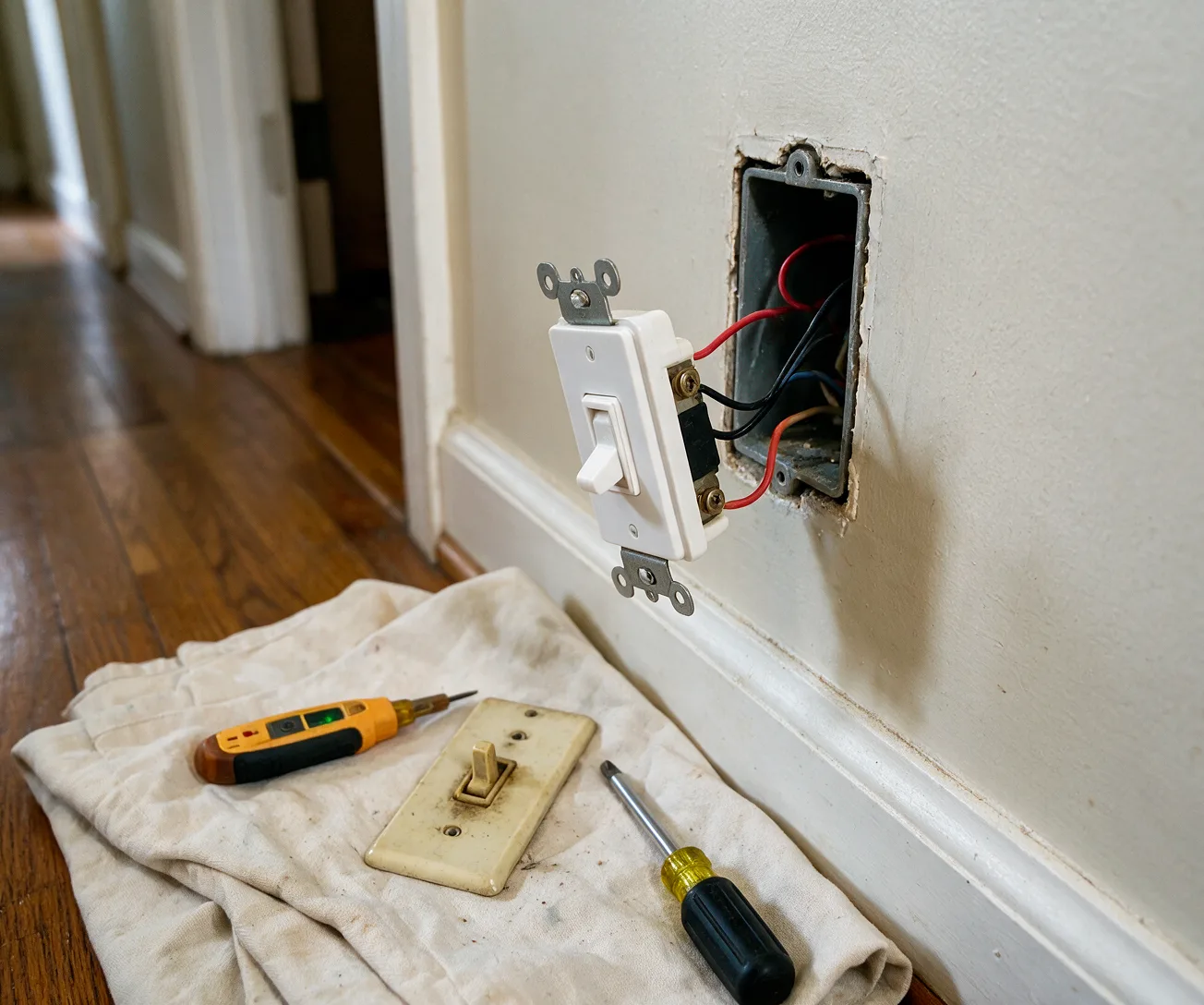
A new rocker light switch being fitted in a hallway wall box

Outlet and Switch Repair

Technicians remove the device yoke only after confirming zero voltage between hot and ground with a non-contact tester. They check for back-stab connections that create high-resistance points and replace them with side-wired terminals. Never open an outlet while the circuit remains energized.

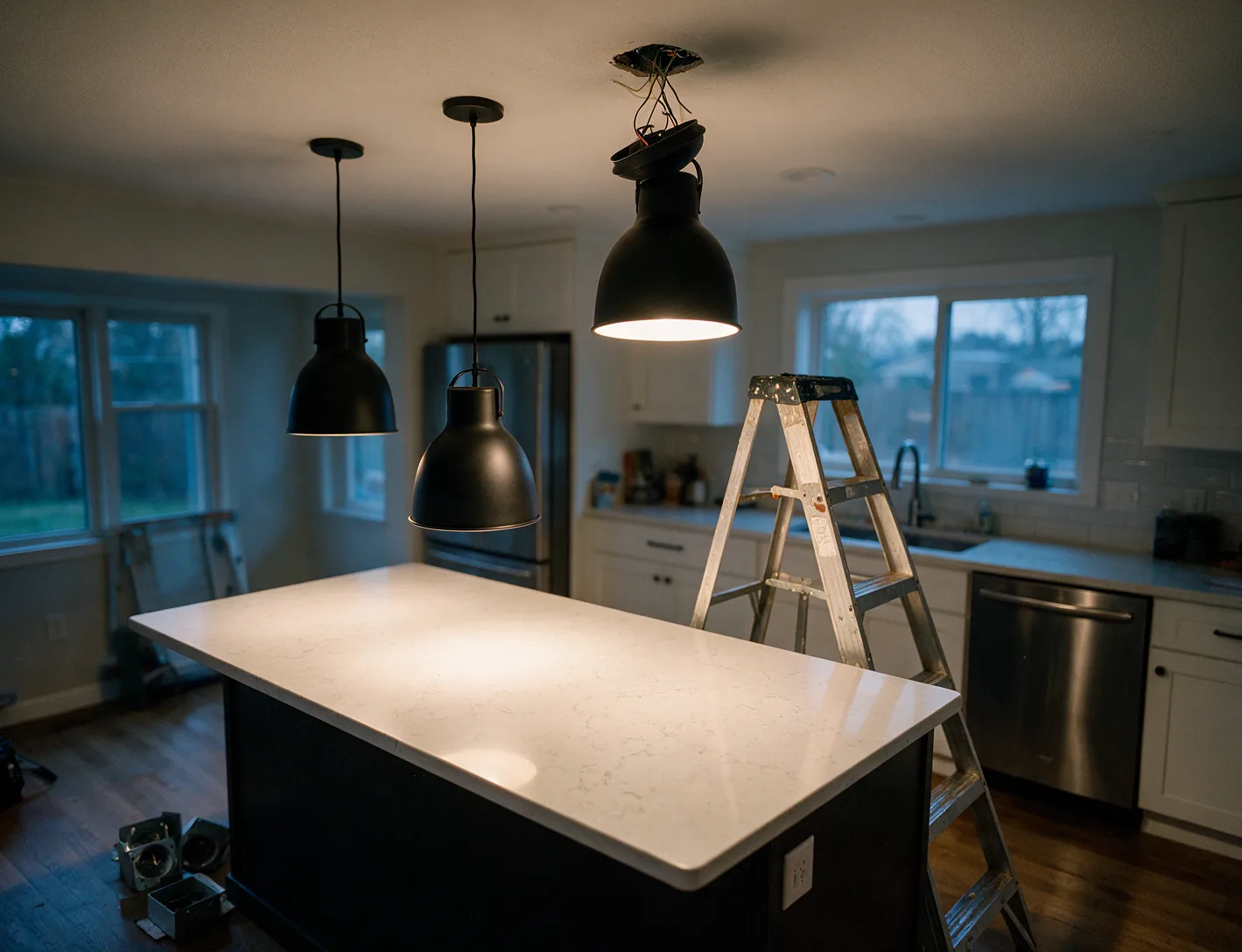
New pendant lights hanging over a kitchen island

Lighting Installation

Our technicians calculate fixture weight against box support rating before mounting. They match lamp wattage to the ballast or driver rating and verify polarity at the socket terminals. Homeowners should leave canopy removal to technicians when ceiling boxes show signs of prior overheating.

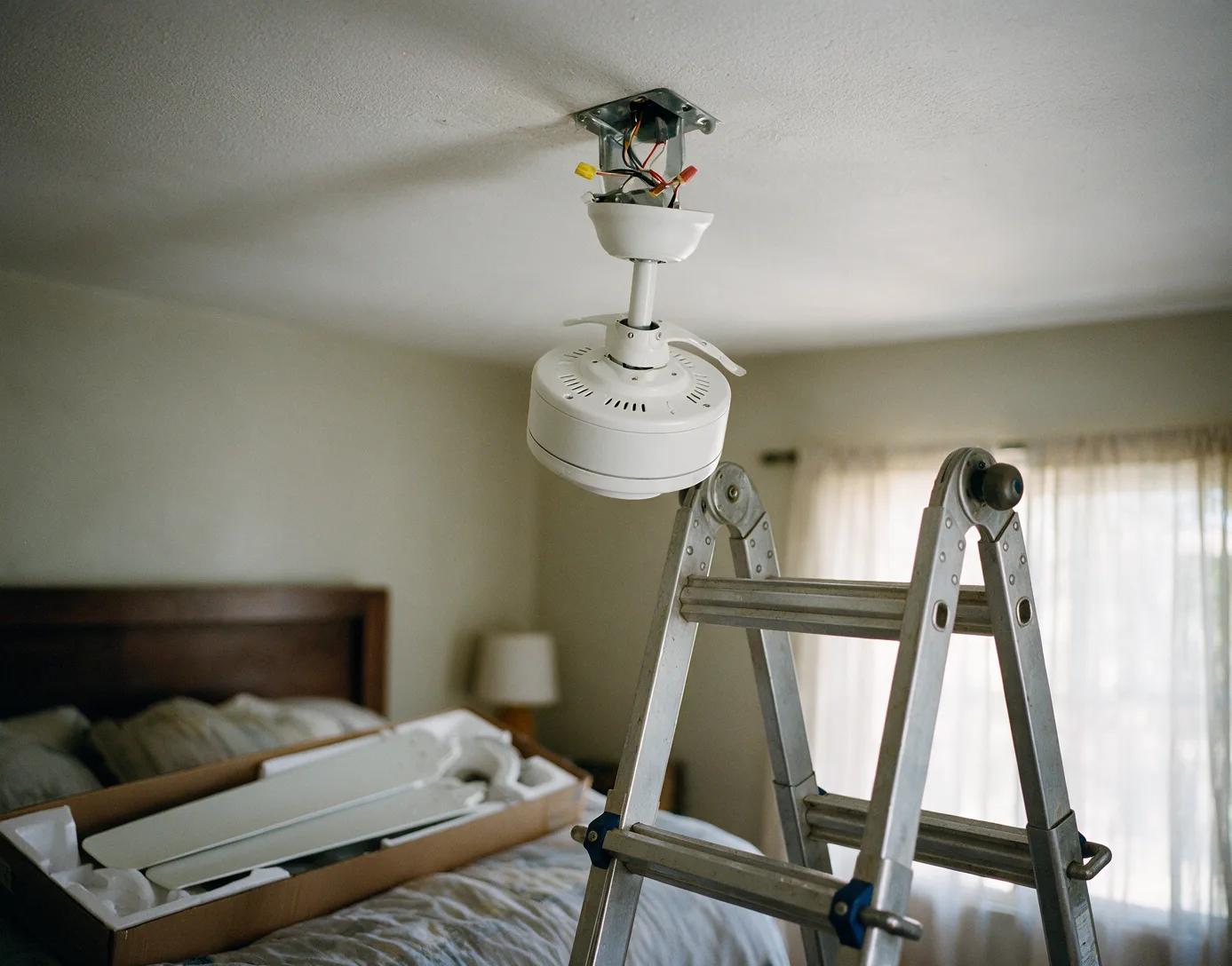
A new ceiling fan motor mounted on a bedroom ceiling

Electrical Installation

We size conductors according to calculated load and ambient temperature correction factors listed in the ampacity tables. Each new circuit is labeled at the panel directory with the exact equipment served. Homeowners must not energize any new work until all terminations have been inspected and torqued.

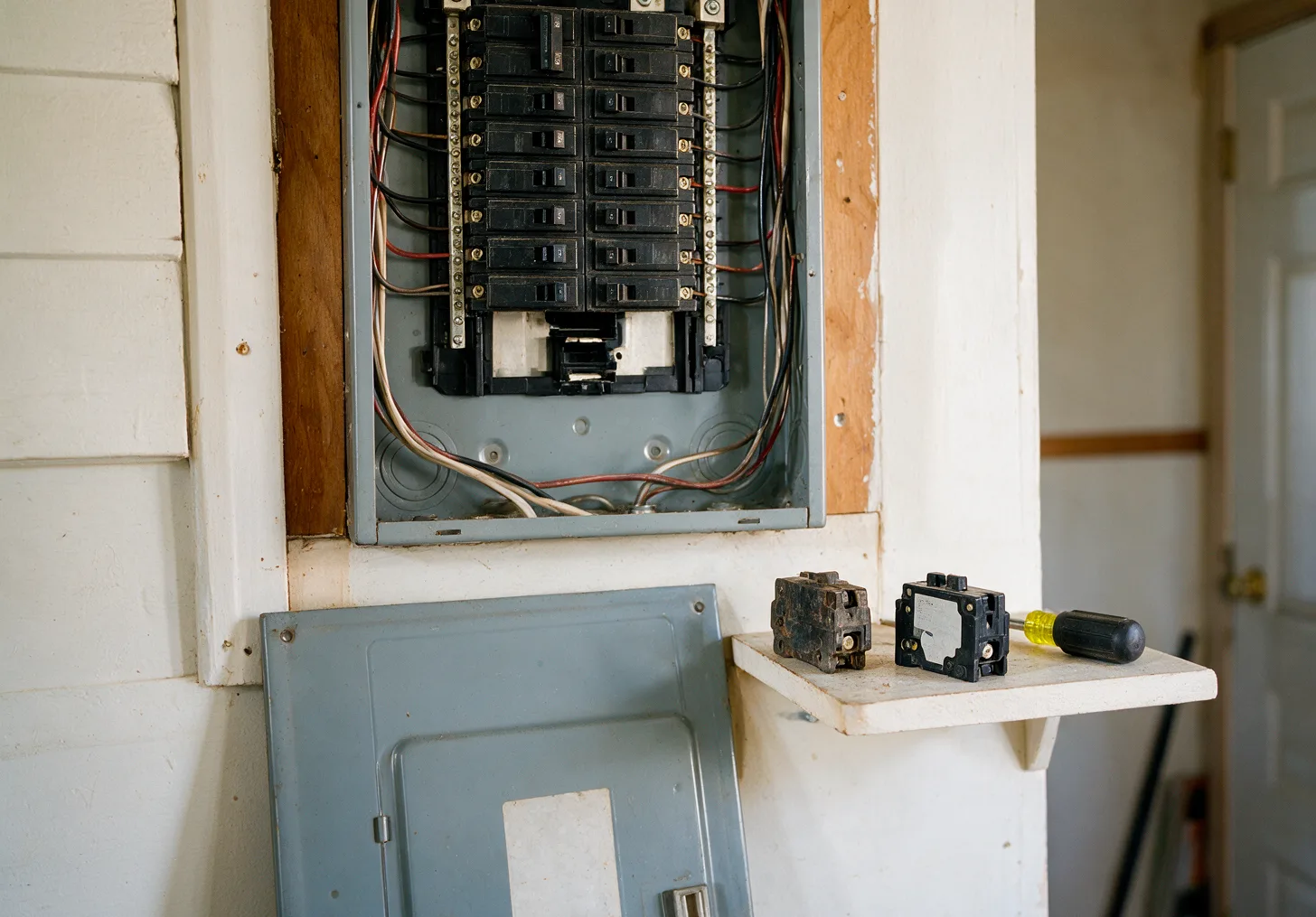
An old and a new circuit breaker on a shelf beside an open panel

Circuit Breaker Repair

Technicians measure voltage drop across the breaker under load and compare it with an identical pole. They check for thermal damage on the bus stabs and replace any breaker that shows signs of internal arcing. Only the affected breaker handle is manipulated after the main has been opened.

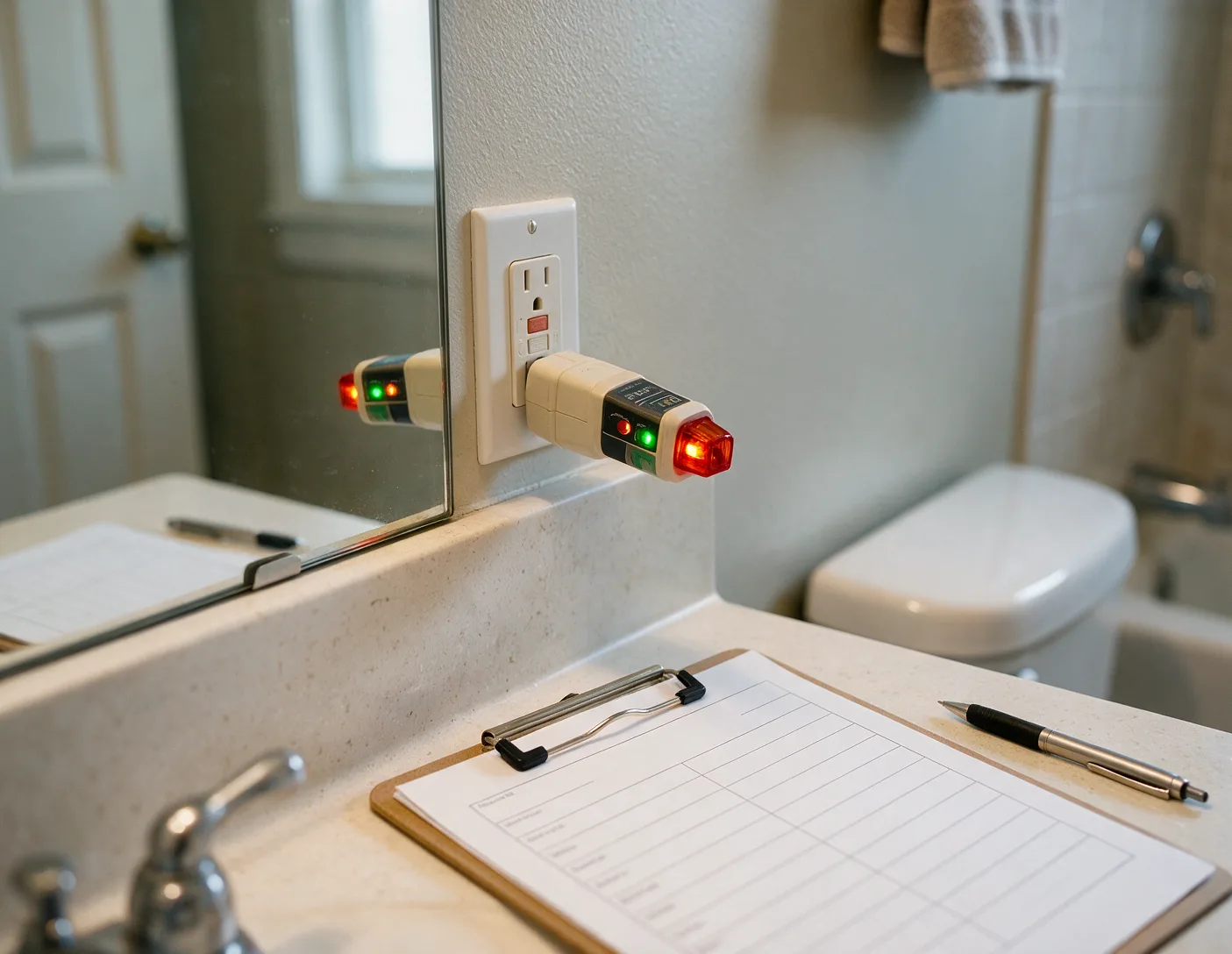
A GFCI tester plugged into a bathroom outlet during an inspection

Electrical Inspections

We document conductor sizes, overcurrent device ratings and grounding paths at each accessible point. Voltage and amperage readings are recorded under connected load to identify undersized neutrals. Homeowners can safely note which circuits trip or dim lights before the inspection begins.

Matching symptoms to services

Persistent tripping at one breaker points to either an overloaded branch or a faulty breaker that must be isolated and tested. Flickering across multiple fixtures on separate circuits usually indicates a loose neutral in the panel or service entrance. Measure voltage at the panel lugs first to decide between panel work and branch repairs.

Repeated GFCI trips without water present suggest insulation breakdown downstream. Outlets that feel warm under load require torque checks at the terminals before any device replacement. When lights dim only during motor starts, the issue lies in shared circuit capacity rather than individual device failure.

Talk to Ikon Electrical Services

Call (855) 762-2348